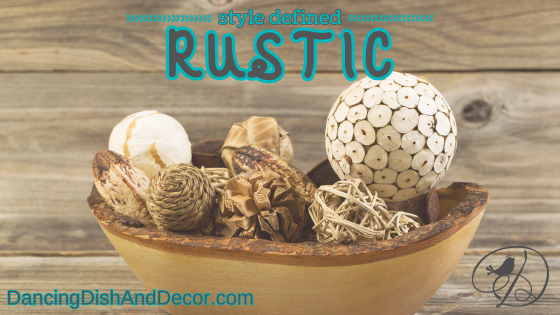
Rustic style is a decorating approach that brings nature indoors through natural materials, warm textures, and simple, functional design. Comfy, cozy, unrefined, and unpretentious perfectly describe the mood of a rustic home or office. You can see rustic influences in other styles like beach, country western, primitive, and cottage chic. Rustic interior design is not just for the cabin in the woods or the farmhouse, it is perfect for the down-town loft, especially when combined with minimalism or industrial.
In this guide, you’ll learn the key elements of rustic interior design and simple ways to add rustic charm to any room in your home.
Rustic Decor in Two Words — Simply Natural
4 Easy Ways to Add Rustic Home Decor to Any Room
1. Rustic Textures
The foundation of rustic home design includes a variety of wood surfaces and accessories. The best rustic decor including twigs, rough logs, rough-hewn beams, bare planks; with all types of finishes whitewash, color-wash, bare, stained, painted and weathered. Walls of wood, wood floors, wood furniture and wood-carved accessories.
I think the comfy feel comes from all the natural warmth, organic textures and deep colors in the rustic decor. Doesn’t it remind you of a simpler time?
2. Rustic Requirements

Cotton, fur, suede, leather, imperfect wavy glass, are probably not really required, but they make great additions to any rustic decor. Here are a few more great features to enhance your rustic decor:
- animals, carved, stuffed, real or fake (these can add a bit of whimsy)
- textured walls – paint effects such as a suede or leather finish
- strong slightly rough surfaces – a dough bowl, thick wood mantle
- soft lighting – like the glow of a fire in the fireplace
- fabrics styled with patchwork, ikat,
- burlap, canvas, cotton, gingham
- Rusty metals, hammered, distressed, weathered, tarnished metals with beautiful patinas are woven throughout the rustically styled home.


3. Functional Features
As the pioneers did out of necessity, to create an honest rustic decor, you repurpose found objects; make do with what you have and create something you need. Metal objects that once had one useful purpose are repurposed for a new function – metal pails hold newspapers, wire baskets turned into light fixtures, wood crates for toy bins. Beautiful doors also add functional character to a rustic room — especially sliding barn doors or Dutch doors.
4. The Colors of Rustic
Natural, neutral, deep, subtle colors make up the rustic color palette:
- slate, denim blue, soft grays
- green, golden yellow
- faded turquoise (adds a western flair)
- tan, brown, caramel, cream,
- amber, cola red, cool clay
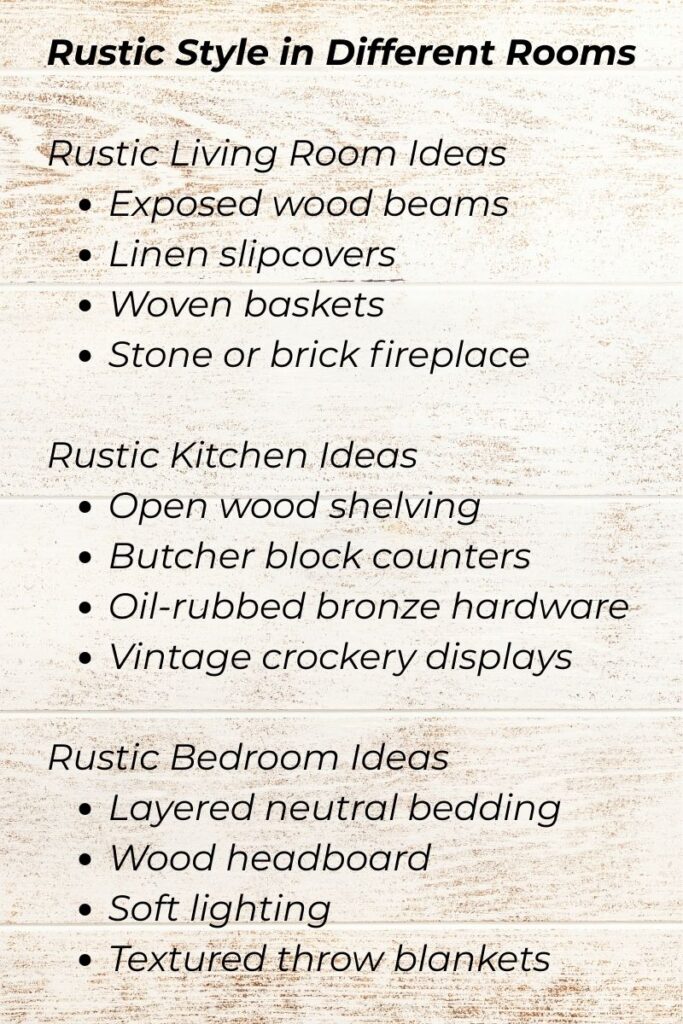
The first time I truly understood rustic design wasn’t in a farmhouse — it was in a tent camp in Kenya. A few years ago my husband and I went on a missions trip to Kenya. After the building of churches and playing with the children, we were able to spend a few days at a tent camp. The tents had a foundation and included a beautiful bathroom featuring stone. I loved the rustic feel of the space. It was the perfect atmosphere for relaxing after the travel and the mission work. That experience helped me understand that rustic design isn’t about perfection — it’s about warmth, texture, and authenticity.
Is your rustic home your space to relax after a long day? I’d love to hear how you make your home rustic, so be sure to share by leaving a comment.
Blessings,
Lauree
…keep dancing the dream
Follow Dancing Dish & Decor’s board rustic-style-defined on Pinterest.
Find more personal styles defined here:


This is such a great article! Thank you. I love all the great thoughts and helpful hints. Got lots of ideas.
Carol,
Thanks for reading! I’m so glad it was helpful. I enjoyed your email, too. I can’t wait to hear what direction you decide to take – to kitsch or not to kitsch that is the question 🙂
Have a blessed week!
Lauree